Views: 0 Author: Site Editor Publish Time: 2025-10-30 Origin: Site
Sewing machines have transformed the way we create garments and accessories, but not all sewing machines are created equal. Among them, leather sewing machines stand out due to their specialized design tailored for stitching tough materials like leather. This article explores the key differences between standard sewing machines and leather sewing machines, focusing on their construction, features, and suitability for various projects. Understanding these distinctions is essential for anyone looking to embark on leather crafting or seeking the right machine for their sewing needs.
Sewing machines have a rich history dating back to the early 19th century. The first practical sewing machine was invented by Barthélemy Thimonnier in 1830, designed to mass-produce uniforms for the French army. Despite early resistance from tailors fearing job loss, the sewing machine revolutionized garment production. Elias Howe patented an improved version in 1846, introducing a two-thread lockstitch system. Isaac Singer later refined the design in 1851, adding features like a foot pedal and adjustable arm, making the machine user-friendly and popular worldwide.
Over time, sewing machines evolved from simple mechanical devices to sophisticated computerized models. Modern machines offer programmable stitch patterns, automatic thread cutters, and LCD screens. Despite technological advances, the core mechanism—passing a needle through fabric to interlock threads—remains largely unchanged. This evolution has made sewing faster, more precise, and accessible to hobbyists and professionals alike.
A sewing machine consists of several key parts working in harmony:
● Needle and Needle Bar: The needle moves up and down, piercing fabric and pulling thread through.
● Presser Foot: Holds fabric in place as it moves under the needle.
● Feed Dogs: Small teeth that move fabric forward after each stitch.
● Bobbin and Shuttle Hook: The bobbin holds the lower thread, while the shuttle hook loops it with the upper thread to create stitches.
● Tension Discs: Control thread tightness to ensure even stitches.
● Motor and Drive Mechanism: Power the needle and feed dogs, usually controlled by a foot pedal.
The machine forms stitches by looping the upper thread with the lower thread from the bobbin, creating a strong lockstitch. Feed dogs advance the fabric incrementally, allowing continuous stitching. Modern machines may include additional components for zigzag stitching, embroidery, or quilting.
Different fabrics require different sewing machines or settings. Here are common types:
● Mechanical Sewing Machines: Basic models with manual controls; suitable for light to medium fabrics like cotton and polyester.
● Computerized Sewing Machines: Offer programmable stitches and automatic features; good for various fabrics including knits and delicate materials.
● Industrial Sewing Machines: Heavy-duty machines designed for thick or tough materials such as denim, canvas, and leather.
● Serger Machines: Trim and finish fabric edges while sewing; ideal for stretchy or knit fabrics.
● Embroidery Machines: Specialized for decorative stitching on various fabrics.
For example, lightweight fabrics like silk or chiffon need fine needles and gentle feed mechanisms, while thick fabrics like denim or leather require powerful motors and sturdy components. Choosing the right machine ensures better stitch quality, less wear on the machine, and a smoother sewing experience.
Selecting the right sewing machine depends on fabric type and project needs; understanding basic components helps in proper machine operation and maintenance.
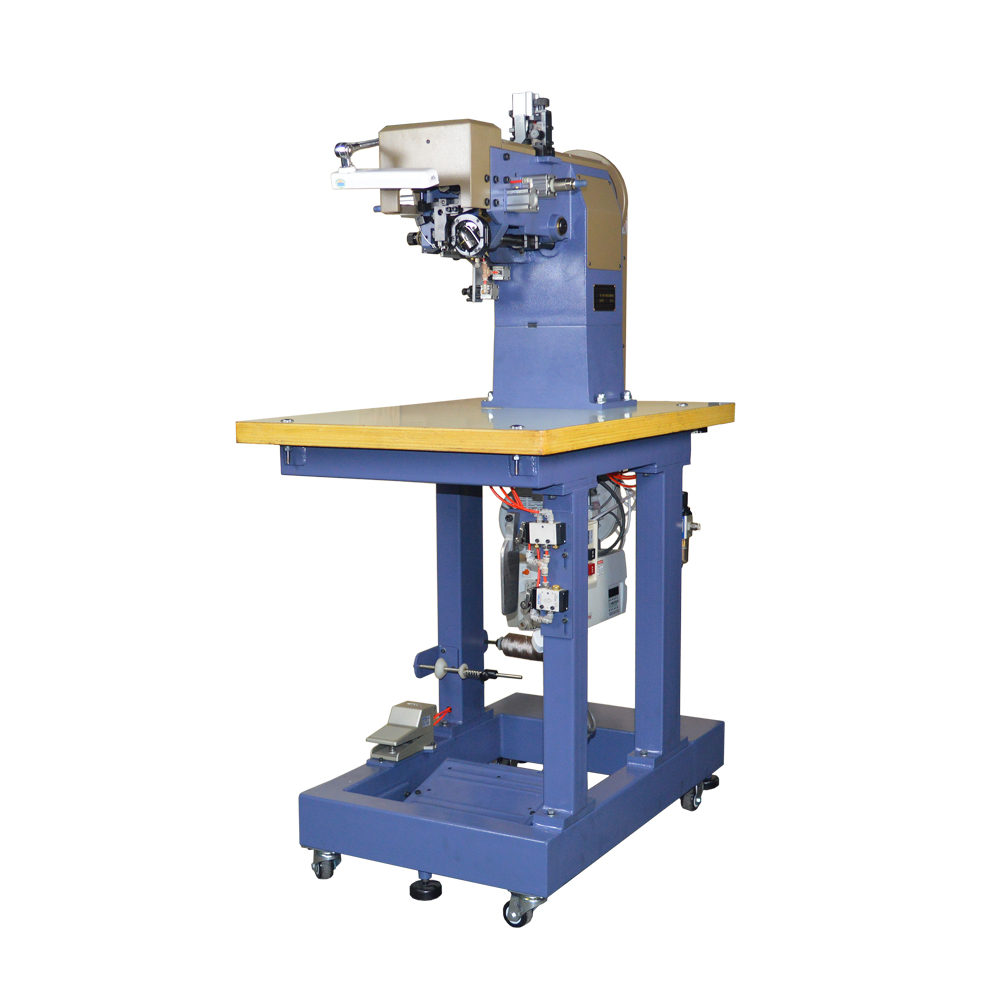
A leather sewing machine is a specialized type of sewing machine built to stitch through tough, thick materials like leather. Unlike regular sewing machines designed mainly for fabrics such as cotton, polyester, or silk, leather sewing machines handle dense, heavy materials reliably and efficiently. These machines are essential for crafting leather goods such as shoes, belts, handbags, and jackets, where strong, precise stitches are crucial.
Leather is much thicker and less flexible than typical fabrics. For example, thin leather can be about 1.2mm thick, while common leather weights can reach 4mm or more. Regular sewing machines often struggle with such thickness, potentially damaging needles, motors, or producing uneven stitches. Leather sewing machines solve this by having stronger motors and specialized features to work smoothly with leather’s unique properties.
Leather sewing machines differ from standard machines in several important ways:
● Powerful Motor: They usually have motors with much higher wattage (up to 550 watts or more) to push needles through thick leather without stalling or overheating.
● Heavy-Duty Construction: The machine’s frame and components are made from durable materials to withstand the stress of sewing dense materials continuously.
● Specialized Presser Feet: Leather machines often use walking feet, roller feet, or Teflon-coated feet. These help feed the sticky leather evenly without causing jams or damage.
● Thicker Needles and Threads: Needles are larger (commonly sizes #90 to #110 or higher) and made to pierce leather cleanly. Threads are usually nylon or polyester, thicker and stronger than cotton threads used in regular machines.
● Adjustable Presser Foot Pressure: This feature lets users adapt the machine to different leather thicknesses for smooth feeding and consistent stitch quality.
● Higher Stitch Rate: Leather machines can sew faster, sometimes up to 3,000 stitches per minute, increasing productivity in manufacturing.
Leather sewing machines come in various types depending on use and complexity:
● Industrial Leather Sewing Machines: These are heavy, powerful machines designed for high-volume production in factories. They often include walking foot mechanisms and compound feed systems for precise material handling.
● Heavy-Duty Domestic Machines: Suitable for hobbyists or small businesses, these machines offer enough power and features to handle medium-thickness leather projects.
● Manual or Hand-Crank Leather Machines: Used for very thick leather or specialized work, these machines operate slowly but provide excellent control for detailed stitching, such as in shoe repair.
● Portable Leather Sewing Machines: Lightweight versions designed for on-the-go use or smaller leather items, balancing power and mobility.
Each type suits different project scales, from crafting a leather wallet at home to mass-producing leather jackets.
When selecting a leather sewing machine, prioritize motor strength and presser foot type to ensure smooth stitching through your specific leather thickness and project demands.
Leather sewing machines pack a much stronger punch than regular machines. While a standard sewing machine might run on about 100 watts of power, leather machines often use motors rated up to 550 watts or more. This extra power helps push needles through thick, tough leather without stalling or overheating. Some leather machines even have motors separate from the main body, mounted under the table and connected by belts to deliver steady, high torque. This setup ensures smooth stitching through dense materials.
Leather sewing machines are built like tanks compared to regular machines. They weigh significantly more—often 60 pounds or more—thanks to heavy-duty metal frames and components designed to withstand constant stress. This sturdiness prevents vibrations and maintains stitch quality even when sewing multiple layers of thick leather. Regular machines, usually around 15 pounds, are lighter and less robust, making them better suited for thinner fabrics. Leather machines also often come with larger, more stable tables to support their weight and provide a steady work surface.
The needles in leather sewing machines are thicker and stronger, typically ranging from size #90 to #110 or higher, designed to pierce tough leather cleanly. Regular machines use finer needles, like size #10, suitable for delicate fabrics such as cotton or silk. Thread choice also differs; leather machines use heavy-duty nylon or polyester threads that resist stretching and abrasion, whereas regular machines often use lighter cotton threads. Additionally, leather machines employ special presser feet—walking feet, roller feet, or Teflon-coated feet—that help feed sticky leather evenly without causing jams or damage. Regular machines use standard presser feet that glide easily over fabric but struggle with leather’s texture.
When working with leather, always match your machine’s motor power, needle size, and thread type to the material’s thickness to avoid damaging your machine or producing poor stitch quality.
Choosing the right leather sewing machine starts with understanding the projects you plan to tackle. Are you making thin leather wallets or thick leather saddles? Thin leather, around 1-2mm, requires less power and lighter machines. Thick leather, 4mm or more, demands a heavy-duty machine with a strong motor and sturdy frame.
Consider the layers you'll sew together. Multiple layers of thick leather need more motor strength and specialized feeding systems like walking feet or compound feed to avoid skipped stitches or needle breakage. If you plan to sew other heavy materials like canvas or vinyl, ensure the machine can handle those as well.
Leather sewing machines vary widely in price, typically ranging from $500 for entry-level heavy-duty models to $2,000 or more for industrial-grade machines. While a higher price often means better durability, power, and features, it's important to balance cost with your actual needs.
If you’re just starting or only occasionally sewing leather, a mid-range machine might suffice. For professional or high-volume work, investing in a top-tier industrial machine pays off through reliability and speed. Don’t forget to budget for a sturdy table, accessories like specialized needles and presser feet, and regular maintenance.
Your experience level influences the best machine choice. Beginners benefit from user-friendly models with straightforward controls, automatic thread tension, and easy threading systems. Features like adjustable presser foot pressure help when working with varying leather thicknesses, reducing frustration.
Advanced users or professionals might prefer machines offering programmable stitch settings, higher stitch speeds, and robust construction for long hours of operation. Some machines include features like walking foot mechanisms, which synchronize feeding of leather to prevent slippage.
Match your leather sewing machine’s power and features to your project demands and skill level to ensure smooth stitching and long-term satisfaction.
Leather sewing machines work hard, stitching through thick, tough materials. This means they need regular cleaning to stay in top shape. Dust, lint, and tiny leather particles can build up around the needle, bobbin area, and feed dogs. Cleaning these spots prevents jams and uneven stitches. Use a soft brush or compressed air to clear debris after every few hours of use.
Lubrication is equally important. Leather machines have many moving parts that create friction. Applying sewing machine oil keeps these parts running smoothly and prevents wear. Most leather machines require oiling after every 8 hours of use. Always follow the manufacturer’s guide on where and how much oil to apply. Over-oiling can attract dirt, while under-oiling causes parts to grind and wear out faster.
Even with proper care, leather sewing machines can face some common problems:
● Needle Breakage: This often happens if the needle is dull, bent, or the wrong size. Use leather-specific needles and replace them regularly.
● Skipped Stitches: Check thread tension and make sure the needle is correctly installed. Also, ensure you’re using the right needle and thread for your leather thickness.
● Thread Breaking: This can result from poor-quality thread, incorrect tension, or rough thread paths. Use strong nylon or polyester thread designed for leather.
● Machine Overheating: Sewing thick leather continuously can heat the motor. Take breaks and keep the machine well-lubricated to avoid overheating.
● Uneven Feeding: If leather slips or bunches, check the presser foot type and pressure. Walking feet or roller feet help feed leather evenly.
Regularly inspect belts, cables, and electrical connections for wear or damage. Replace worn parts promptly to avoid bigger issues.
To get the most from your leather sewing machine, consistent maintenance is key. Here are some tips:
● Use the machine only for materials it’s designed to handle. Avoid forcing very thick or hard materials.
● Keep the machine covered when not in use to protect from dust.
● Schedule professional servicing annually or as recommended.
● Store needles, threads, and accessories properly to avoid contamination.
● Train users on proper operation and maintenance routines.
A well-maintained leather sewing machine can last decades, providing reliable, high-quality stitching for all your leather projects.
Schedule daily cleaning and oiling of your leather sewing machine to prevent wear and keep stitches smooth and consistent.
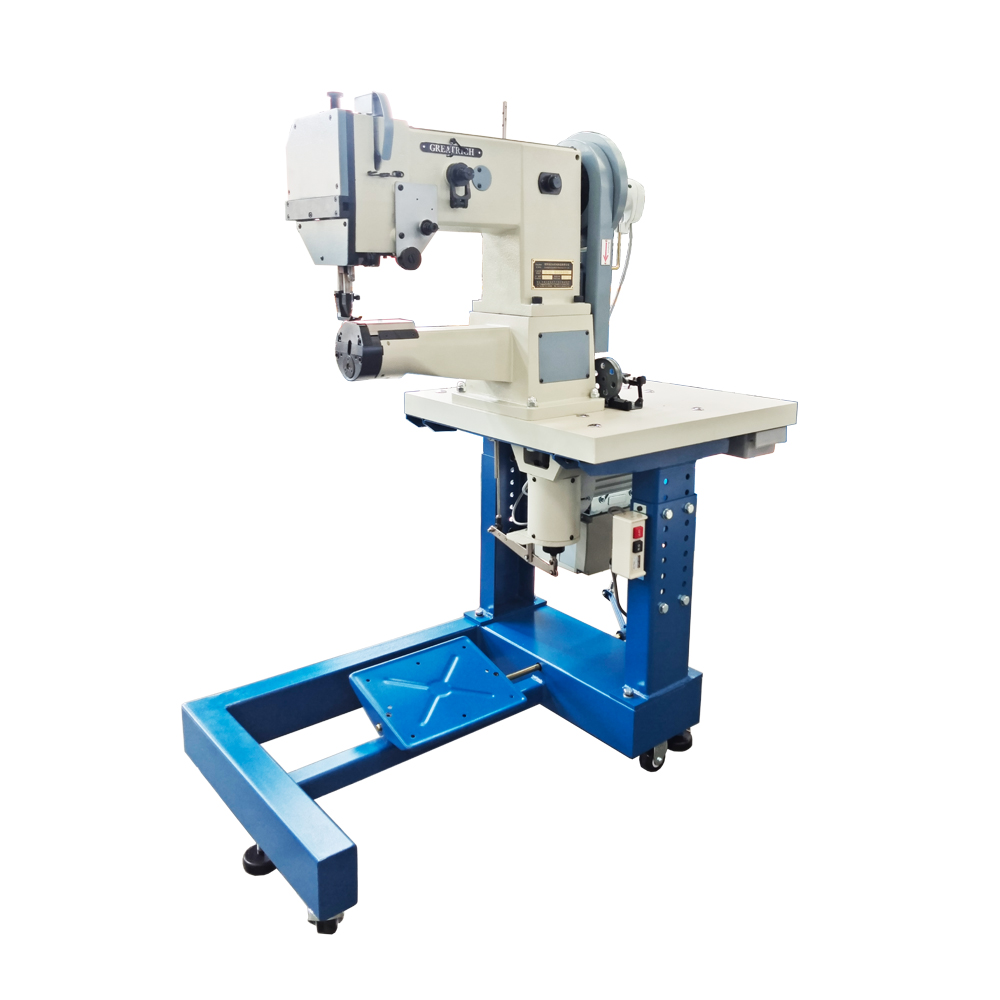
Leather sewing machines are becoming smarter and faster thanks to automation. Modern machines often feature automated threading systems, which save time and reduce the hassle of manual threading. Automated tension control adjusts thread tightness on the fly, ensuring consistent stitches even when sewing varying leather thicknesses. Some models include programmable stitch patterns tailored for leather projects, allowing users to select and save custom settings for speedier production.
These automation features reduce human error and fatigue, increasing overall productivity. For example, industrial leather sewing machines can now sew thousands of stitches per minute with precise control, making them ideal for high-volume manufacturing. Automation also helps beginners by simplifying complex tasks, enabling them to achieve professional results more easily.
Sustainability is becoming a priority in leather sewing machine design. Manufacturers are developing machines that consume less energy without sacrificing power, helping reduce environmental impact. Some machines use energy-efficient motors and components that lower electricity usage during operation.
Additionally, eco-friendly innovations include compatibility with sustainable materials. Machines now better handle vegan leathers and recycled synthetic fabrics, supporting the growing demand for environmentally responsible products. Some manufacturers also use recyclable or biodegradable materials in machine parts and packaging, further reducing the carbon footprint.
Digital technology is transforming how leather sewing machines operate. Many modern machines come equipped with digital interfaces, such as touchscreens or computer connectivity, allowing users to upload custom stitch patterns or designs directly from a computer or smartphone. This connectivity supports remote monitoring and diagnostics, enabling faster troubleshooting and maintenance.
Advanced machines may integrate with software that guides users through complex stitching projects step-by-step or offers real-time feedback on stitch quality. Some high-end models even connect to cloud platforms for storing project data and sharing patterns across teams, streamlining collaboration in professional workshops.
Digital integration also opens doors for innovations like augmented reality (AR) training tools, helping new users learn machine operation and leather sewing techniques more effectively.
Investing in leather sewing machines with automation and digital features can boost efficiency, reduce errors, and support sustainable production practices in your leather goods business.
Sewing machines revolutionized garment production, evolving from simple mechanical devices to sophisticated models. Leather sewing machines differ in power, durability, and compatibility with thicker materials. Selecting the right machine depends on project type and material thickness. Exploring leather sewing projects can be rewarding with the right machine. GreatRich offers products that enhance efficiency and durability, providing value in leather crafting endeavors.
A leather sewing machine is designed to stitch through tough materials like leather, making it ideal for crafting items such as shoes, belts, and handbags.
Leather sewing machines have powerful motors, durable construction, and specialized needles and presser feet to handle thick leather, unlike regular machines.
Leather sewing machines are built with heavy-duty components and advanced features to ensure reliable stitching through dense materials, increasing their cost.
Leather sewing machines provide precise, strong stitches, increased productivity, and the ability to handle thick materials without damaging the machine.
Check needle and thread compatibility, adjust tension settings, and ensure proper maintenance to resolve issues like skipped stitches and thread breakage.