
Views: 0 Author: Site Editor Publish Time: 2025-10-29 Origin: Site
Sewing leather presents unique challenges that set it apart from working with traditional fabrics. Its thickness and density require specialized tools and techniques, making the process both rewarding and demanding. For beginners, understanding the intricacies of leather, from selecting the right materials to mastering sewing methods, is essential for achieving professional results. In this article, we will explore the difficulties of sewing leather, the tools needed, and tips to help you navigate this rewarding craft.
Leather fabric comes from animal hides or skins, mainly from cows, goats, sheep, and pigs. The process starts by cleaning the raw skins to remove hair, blood, and dirt. Next, tanning transforms the raw hide into durable leather. Chromium salts or vegetable tannins soften and preserve the skin. After tanning, the leather is dried and trimmed to remove imperfections. It can be dyed in various colors and coated to resist water and stains. Finally, oils or waxes keep it soft and supple.
Leather comes in several types, each suited for different uses:
● Full-grain leather: The highest quality, keeping the natural grain intact. Used in luxury handbags, premium shoes.
● Top-grain leather: Slightly sanded to remove imperfections, softer and more pliable. Common in jackets, pants, wallets.
● Genuine leather: Made from leftover pieces, less durable. Used for belts, wallets.
● Bonded leather: Made by bonding leather scraps with adhesives. Used in small accessories like phone cases.
Each type varies in thickness, texture, and durability, affecting how easy or hard it is to sew.
Leather production is global, with major centers including:
● China: The largest leather producer, offering a wide range of leather goods.
● Italy: Known for high-quality, luxury leather products.
● India: Significant producer, especially of vegetable-tanned leather.
● Brazil: Large cattle industry supports leather production.
● United States: Produces leather mainly from cattle hides.
These regions supply leather for fashion, upholstery, and accessories worldwide.
Choosing the right leather type and knowing its origin helps tailor sewing techniques for better results.
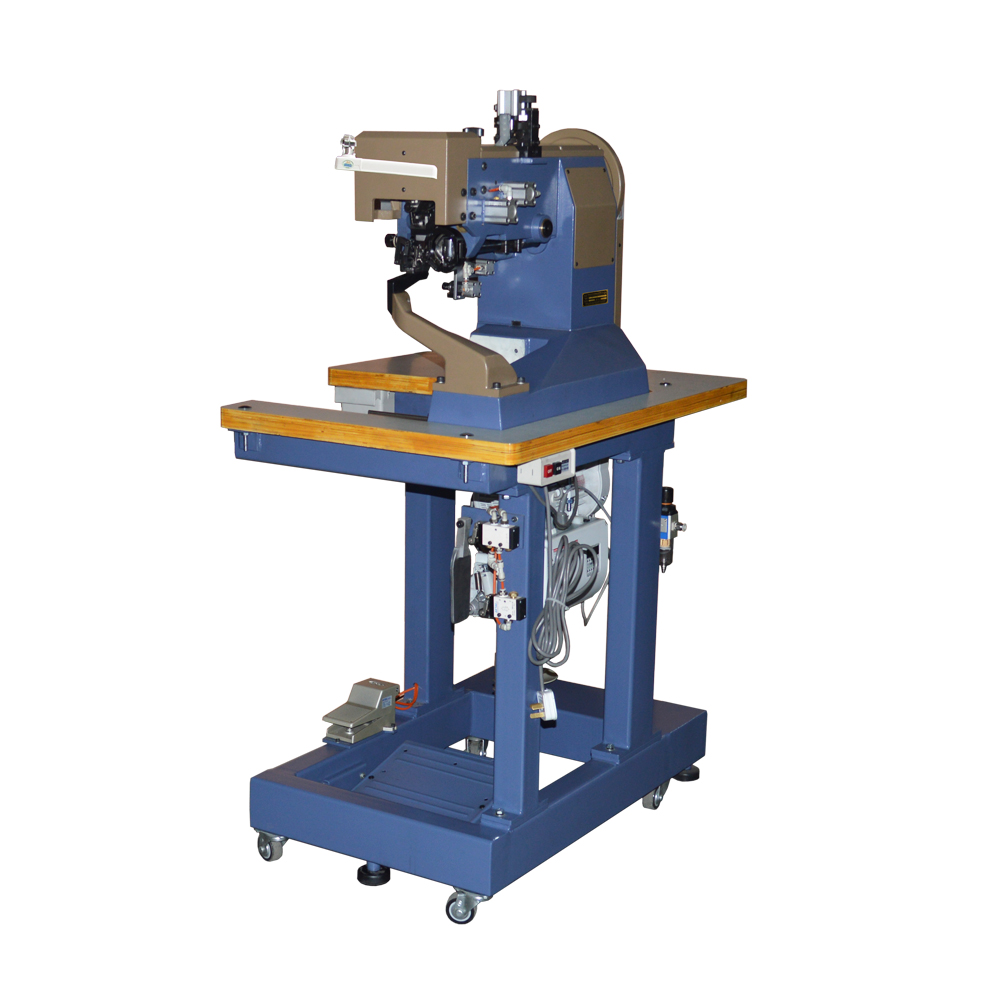
Leather is a tough material because of its thickness and density. Unlike regular fabrics, leather hides are thick and compact, which makes pushing needles through them challenging. The thickness varies by leather type—for example, full-grain leather is usually thicker and denser than bonded leather. This density means needles must be strong and sharp enough to pierce without damaging the leather or breaking.
Standard sewing needles aren’t designed for leather. They often bend, dull, or break when used on thick leather. Regular needles have a round point that pushes fibers aside, which works for woven fabrics but tears leather. Instead, leather sewing requires special needles with wedge or chisel points that cut clean holes. Using the wrong needle leads to skipped stitches, uneven seams, and damaged material.
Leather behaves differently from fabric. It’s not stretchy but can shift or slide during sewing, making it tricky to keep seams straight. The natural oils in leather can make it slippery, so holding layers steady is harder. Also, leather doesn’t heal if pierced; every hole is permanent. Mistakes leave visible marks, so precision is key. Moreover, leather’s surface varies—some areas are smooth, others grainy or textured—affecting how stitches look and hold.
Always use needles specifically designed for leather, like wedge point needles, to avoid damaging your material and ensure strong, clean stitches.
Not every sewing machine can handle leather. You need a heavy-duty machine built for tough materials. For thin leather (1-2 oz), many home machines with adjustable pressure work fine. Medium leather (3-4 oz) requires semi-industrial machines. Thick leather (5+ oz) demands industrial machines with strong motors.
Look for machines labeled "heavy-duty" or "leather-capable." These usually have powerful motors and durable parts. Some popular models include the Singer Heavy Duty 4423 and Janome HD1000. Avoid regular machines for thick leather—they may struggle or break needles.
Adjust your machine settings for the best results:
● Stitch length: Use longer stitches, about 3-4 mm. Short stitches can perforate leather and weaken seams.
● Thread tension: Loosen slightly to prevent puckering.
● Presser foot pressure: Reduce pressure so the leather feeds smoothly without sticking.
● Speed: Sew slowly and steadily to maintain control.
Using a walking foot helps feed leather evenly. If unavailable, a Teflon or roller foot reduces friction and prevents sticking.
Gather these tools for machine sewing leather:
● Leather needles: Sizes 90/14 to 110/18 with wedge points cut clean holes.
● Thread: Heavy-duty polyester or waxed nylon thread resists breaking.
● Leather clips: Replace pins, which leave permanent holes.
● Sharp scissors or rotary cutter: For clean, precise cuts.
● Rubber mallet: Helps flatten seams without damage.
● Leather glue (optional): Holds pieces before stitching.
Before sewing, always test settings on scrap leather. Different types behave differently—chrome-tanned is easier, vegetable-tanned tougher. Mark cutting lines with a white pencil or silver pen. Avoid pins; clips work better.
Guide leather gently under the needle without pushing or pulling. If stitches skip, try a fresh needle or adjust tension.
Use a walking foot or Teflon foot on your sewing machine to prevent leather from sticking and ensure smooth, even stitching.
Hand sewing leather needs the right tools to make strong, neat stitches. Here’s what you’ll need:
● Leather Needles: Use sharp, strong needles sized 2/0 to 4/0. They have a triangular point that pierces leather cleanly.
● Waxed Thread: Thick, waxed thread (0.8mm to 1mm) resists wear and keeps stitches tight.
● Leather Hole Punch or Awl: Pre-punch holes for stitching; this helps keep stitches even and prevents needle strain.
● Stitching Groover (Optional): Cuts a shallow channel for your stitches, protecting thread from wear.
● Cutting Board: Protects your surface when punching or cutting leather.
● Sharp Utility Knife: For trimming and cutting leather pieces precisely.
● Ruler or Measuring Tape: Ensures accurate spacing and straight lines.
● Beeswax: Used to wax thread further if needed, making it smoother and stronger.
● Leather Clips or Bulldog Clips: Hold pieces together without piercing holes like pins do.
● Sturdy Work Surface: A solid table or bench helps keep your work stable.
The saddle stitch is the most popular hand stitch for leather because it’s strong and long-lasting. Here’s how to do it:
1. Cut a length of waxed thread about 3.5 times the length you want to sew.
2. Thread a needle on each end of the thread.
3. Push both needles through the first pre-punched hole from opposite sides.
4. Pull thread tight so both needles are evenly spaced.
5. Stitch by passing each needle through the next hole on opposite sides, pulling tight after each stitch.
6. When you reach the end, backstitch a few holes to lock the seam.
7. Trim excess thread and apply a drop of glue if desired.
The running stitch is simpler but less durable. It’s good for decorative seams or areas with less stress.
● Take Your Time: Leather doesn’t forgive mistakes. Slow, steady stitching keeps holes neat and seams strong.
● Test on Scrap Leather: Practice your stitch and tension before starting your main piece.
● Keep Even Tension: Too tight stitches can pucker leather; too loose ones weaken seams.
● Use Beeswax on Thread: This strengthens thread and helps it glide through holes easier.
● Avoid Pins: Pins leave permanent holes; use clips instead.
● Pre-punch Holes Carefully: Evenly spaced holes make stitching easier and more professional.
● Work in Good Light: Clear visibility helps keep stitches straight and consistent.
Hand sewing leather is rewarding but requires patience. With practice and the right tools, you can create durable, beautiful leather goods that last for years.
Always pre-punch stitching holes evenly spaced about 1/8 inch apart to make hand sewing leather easier and ensure strong, neat seams.
One of the biggest mistakes when sewing leather is using the wrong needles and threads. Regular sewing needles have round points that push fibers aside, which tears leather instead of piercing it cleanly. Always use leather needles with wedge or chisel points sized between 90/14 and 110/18 for machine sewing. For hand sewing, use sharp, strong needles sized 2/0 to 4/0.
Thread choice matters too. Thin or weak thread can break easily under leather’s tension. Heavy-duty polyester or waxed nylon threads work best, as they resist stretching and wear. Avoid cotton thread because it frays and weakens over time.
Jumping straight into sewing your main leather piece without testing is risky. Leather types vary in thickness, texture, and finish, so settings that work on one kind might damage another. Always sew a few test stitches on scrap leather before starting your project.
Test runs help you check needle size, stitch length, thread tension, and machine speed. They also reveal if your presser foot grips leather well or causes puckering. Adjust your machine accordingly to avoid costly mistakes.
Leather needs gentle handling to avoid damage. Using pins to hold pieces together leaves permanent holes, so use leather clips or adhesive instead. Avoid pulling or stretching leather while sewing; this causes uneven seams and puckering.
Keep leather flat and steady under the needle. If it sticks, try using a walking foot, Teflon foot, or place wax paper beneath to reduce friction. Also, don’t sew over thick seams or folds without trimming or skiving; thick areas can break needles or cause skipped stitches.
Always test your needles, threads, and machine settings on scrap leather to prevent damage and ensure smooth, strong seams on your final project.
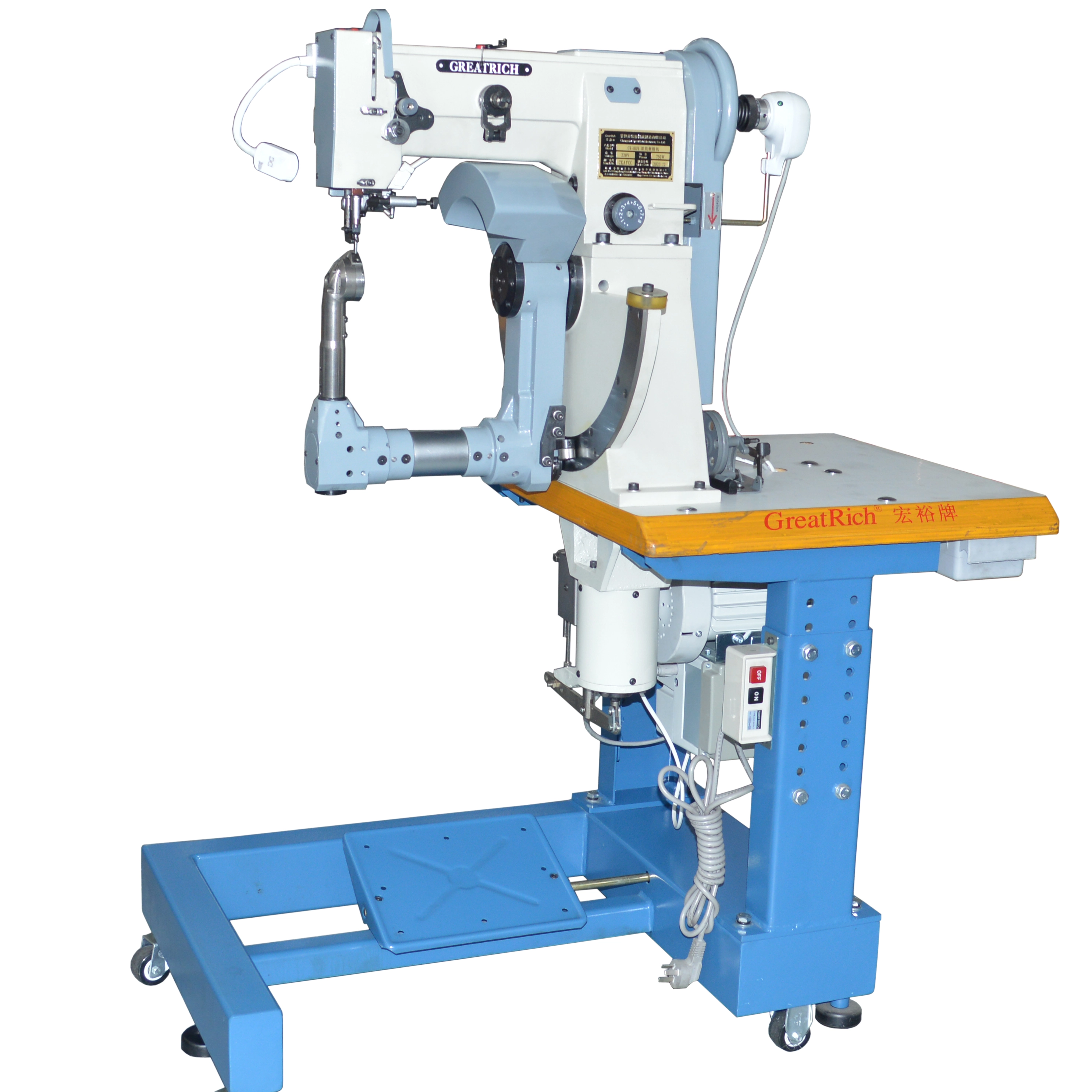
Decorative stitching adds beauty and personality to leather projects. It also helps strengthen seams and edges. Here are some popular decorative stitches used in leatherwork:
● Saddle Stitch: Strong and classic, it uses two needles passing through each hole from opposite sides. It creates a neat, durable line that holds well even if one thread breaks.
● Cross Stitch: Forms small "X" shapes in a row, creating a lovely pattern. It’s often used on wallets, belts, and bags to add flair.
● Running Stitch: Simple and quick, this stitch looks like a dashed line. It’s great for light decoration or less stressed areas.
● Box Stitch: Creates small square patterns, adding texture and style to leather goods.
● Fancy Patterns: Some artisans use Celtic knots, diamond shapes, or basket weave designs to make their work stand out.
Each stitch type brings a unique look and feel. Choose one that fits your project’s style and function.
Cross stitching is a favorite for decorative leatherwork. It makes tiny "X" shapes that form a pattern or image. Here’s how to cross stitch on leather:
1. Pick the Right Leather: Vegetable-tanned leather works best because it’s firm and holds holes well. Avoid suede or very soft leather as stitches may stretch or look uneven.
2. Prepare Your Tools: Use a leather needle (size 4 or 8), waxed thread, hole punch, ruler, and pencil.
3. Draw Your Pattern: Sketch the design lightly on leather. Mark where holes will go, spacing them about 1/8 inch apart.
4. Punch Holes: Use a diamond chisel punch for even spacing or single hole punch for curves.
5. Stitch: Make one diagonal stitch (like "/"), then cross it with another (like "") to form an X. Repeat to fill your pattern.
Cross stitching on leather is like pixel art—each "X" is a tiny piece of the bigger picture. It takes patience but creates stunning results.
Keeping your decorative stitching looking great means proper care:
● Clean Gently: Use a soft brush or cloth to remove dirt.
● Condition Leather: Apply leather conditioner periodically to keep it supple and prevent cracking.
● Store Properly: Keep leather items flat and away from direct sunlight or heat to avoid fading and drying.
● Avoid Excess Moisture: Water can damage stitches and leather, so wipe spills quickly.
Taking care of your work helps preserve both the leather and the beautiful stitching for years.
When cross stitching leather, always punch holes evenly spaced about 1/8 inch apart to ensure neat, consistent stitches and prevent leather damage.
Sewing leather is challenging due to its thickness and density, requiring specialized tools and techniques. Beginners should practice patience and precision, using the right needles and threads to avoid common mistakes. Successful leather sewing involves testing settings and handling the material gently to prevent damage. GreatRich provides high-quality sewing products that simplify leather crafting, offering durable needles and threads designed for leatherwork. Their products enhance sewing experiences by ensuring strong, clean stitches and supporting creativity in leather projects.
A: A leather sewing machine is designed to handle the thickness and density of leather, making it ideal for sewing leather garments, accessories, and upholstery.
A: A leather sewing machine has a powerful motor and durable parts to handle thick leather without breaking needles or causing skipped stitches.
A: Unlike regular machines, a leather sewing machine can handle tough materials and features specific settings for leather sewing.
A: Using a leather sewing machine ensures strong, clean stitches, avoids material damage, and enhances sewing efficiency on leather projects.
A: Ensure you use the correct needle and thread, adjust tension settings, and regularly test on scrap leather to prevent issues with your leather sewing machine.