
Views: 0 Author: Site Editor Publish Time: 2025-10-23 Origin: Site
Sewing leather on a regular sewing machine is not only possible but can also be a rewarding experience for both beginners and experienced crafters. While leather presents unique challenges due to its thickness and toughness, with the right adjustments and tools, your sewing machine can handle various leather projects. This article will guide you through the essential techniques, tools, and tips needed to successfully sew leather, ensuring that you can create beautiful and durable leather goods with confidence.
Yes, you can sew leather on a regular sewing machine, but it needs some adjustments to work well. Leather is much thicker and tougher than fabric, so your machine needs a little help to handle it smoothly.
First, you need to change your machine settings. Increase the stitch length to about 3.5 mm or longer. Longer stitches prevent the leather from getting perforated too much, which can weaken it. Also, adjust the thread tension. Leather is thicker, so you might need to tighten the top thread tension a bit to get even stitches. Always test your settings on a scrap piece before starting your project.
Regular sewing needles won't cut it for leather. You need leather needles, which have a sharp, wedge-shaped point designed to pierce through tough material without damaging it. Sizes 90/14 or 100/16 usually work well for medium-weight leather.
Thread choice is just as important. Use heavy-duty polyester or nylon thread. These threads are strong and durable, unlike cotton thread, which can break easily and weaken your seams. Bonded nylon thread is especially good for leather projects because it resists fraying and tension breaks.
The presser foot plays a big role in how smoothly your leather feeds through the machine. Leather tends to stick to the metal foot of standard presser feet, causing uneven stitching or jams. To fix this, use a Teflon or roller foot.
● Teflon foot: Has a non-stick surface that glides over leather easily.
● Roller foot: Features small rollers that help the leather move smoothly without dragging.
If you don’t have these specialized feet, a simple hack is to put a piece of clear tape (like Scotch Magic Tape) on the bottom of your regular foot. This reduces friction and helps the leather glide better.
● Use a leather needle (size 90/14 or 100/16)
● Choose heavy-duty polyester or nylon thread
● Increase stitch length (3.5 mm or more)
● Adjust thread tension (usually tighter top tension)
● Use a Teflon or roller presser foot (or tape your regular foot)
● Sew slowly to avoid needle breakage
● Test settings on scrap leather
By making these adjustments and using the right tools, your regular sewing machine can tackle many leather projects. Start with thinner leather and simple designs to build your confidence before moving on to thicker hides or complex patterns.
Always test your needle, thread, and tension settings on a scrap piece of leather before starting your project to avoid costly mistakes.

Sewing leather on a regular machine is quite different from sewing fabric. Leather’s thickness and density pose unique challenges. It’s tougher, less flexible, and demands special care.
Leather varies from thin and soft to thick and heavy. This thickness makes it harder for needles to pierce through. Thicker leather can slow your machine or cause skipped stitches. Density affects how easily the needle moves. Think of sewing through a thick book versus a thin magazine — the thicker one needs more effort.
Bulky areas, like where seams overlap, add extra thickness. Sewing over these spots can strain your machine and needle. That’s why choosing thinner leather or avoiding multiple layers in one place helps.
Leather needles feature a sharp, wedge-shaped tip designed to cut through tough material cleanly. Regular needles tend to push or tear leather fibers, causing skipped stitches or damage.
Even with leather needles, penetrating thick or dense leather requires adjustments:
● Use longer stitch lengths to reduce needle hits.
● Adjust thread tension for smooth stitching.
● Slow down sewing speed to avoid needle breakage.
If the needle struggles or breaks often, it may be dull or too small. Replace needles frequently when working with leather.
Leather’s surface can stick to your machine’s metal presser foot. This friction causes uneven feeding, skipped stitches, or jams. To reduce this:
● Use a Teflon or roller presser foot designed for leather.
● If unavailable, apply clear tape under the regular foot to create a smooth glide.
● Adjust presser foot pressure to avoid squashing the leather too much.
Also, friction generates heat, which can damage both leather and machine parts. Sewing slowly and steadily helps prevent overheating.
Leather’s thickness and friction demand patience and the right machine adjustments to avoid damage and ensure clean stitches.
When you’re ready to sew leather on your regular sewing machine, a few key adjustments make all the difference. Leather isn’t like fabric—it’s thick, tough, and can easily damage your machine or project if you don’t prepare properly. Here’s how to get your machine ready for leather sewing success.
Leather demands a different thread tension than fabric. Usually, you’ll need to increase the top thread tension to hold the stitches firmly without puckering the leather. But be careful not to over-tighten; too much tension can cause the leather to gather or even tear.
At the same time, slightly loosening the bobbin tension can help balance the stitch. Since every machine is different, the best approach is to test on a scrap piece of leather. Adjust in small increments until you see smooth, even stitches on both sides.
Short stitches can perforate leather too much, weakening it and making it prone to tearing. To avoid this, set your stitch length to about 3.5 mm or longer. Longer stitches reduce the number of holes and allow the needle to move more easily through the thick material.
Remember, longer stitches also mean less friction from the needle moving through the leather. This helps prevent needle breakage and keeps your machine running smoothly.
Leather tends to stick to the metal presser foot of standard machines. This sticking causes uneven feeding and can jam your machine. To solve this, use a presser foot designed for leather sewing:
● Teflon Foot: Has a smooth, non-stick surface that glides over leather easily.
● Roller Foot: Features tiny rollers that help the leather move smoothly without dragging.
If you don’t have these specialty feet, a simple hack is to stick a piece of clear tape on the bottom of your regular foot. This reduces friction and helps the leather slide better.
Also, adjust the presser foot pressure if your machine allows it. Too much pressure can squash the leather, making it harder to feed. Too little pressure might cause uneven stitching. Find a balance by testing on scraps.
Always test your tension, stitch length, and presser foot setup on a scrap piece of leather before starting your project to avoid costly mistakes and ensure smooth sewing.
When sewing leather on a regular sewing machine, having the right tools is crucial. They make the process smoother and help you avoid damaging your leather or machine. Here’s a breakdown of the essential tools you’ll need.
Leather needles are specially designed for tough materials. Unlike regular needles, they have a sharp, wedge-shaped tip that cuts through leather cleanly instead of piercing and tearing it. This design prevents skipped stitches and damage to your leather.
● Sizes: Common sizes for medium-weight leather are 90/14 and 100/16.
● Why use them? They reduce stress on both the leather and the needle, making stitching easier and more precise.
● Needle care: Change needles frequently, especially if you notice any bending or dullness.
Leather needs strong thread to hold seams together under stress. Regular cotton thread is too weak and can break easily.
● Best options: Polyester or nylon threads are durable, stretch-resistant, and less likely to fray.
● Bonded nylon thread: Especially good for leather because it resists fraying and tension breaks.
● Thread size: Use thicker threads suitable for heavy materials, but compatible with your needle size.
Leather tends to stick to the metal presser foot on most machines, causing uneven feeding or jams. A Teflon or roller foot can solve this problem.
● Teflon foot: Has a smooth, non-stick surface that helps leather glide effortlessly.
● Roller foot: Contains small rollers that reduce friction by rolling over the leather.
● DIY hack: If you don’t have these feet, place clear tape on the bottom of your regular presser foot to reduce sticking.
Using these presser feet helps maintain even stitching and prevents the leather from bunching or dragging under the needle.
Always keep spare leather needles and heavy-duty thread on hand, as sewing leather can dull needles and wear out thread faster than fabric projects.
Choosing the right leather is key when sewing on a regular machine. Leather varies a lot in thickness, type, and texture. Picking the wrong kind can make your project frustrating or even damage your machine. Here’s what to keep in mind:
Most home sewing machines handle leather up to about 3 ounces (around 1.2 mm) thick comfortably. Thinner leather is easier to sew and less likely to cause needle breakage or skipped stitches.
● Thin leather (1–2 oz): Great for beginners and small projects like wallets or accessories.
● Medium leather (2–3 oz): Still manageable but requires careful machine setup.
● Thick leather (above 3 oz): Usually too tough for regular machines; better suited for industrial machines.
Avoid sewing through too many layers at once, especially if combined thickness exceeds your machine’s capability. Overlapping seams or bulky areas can jam your machine or cause uneven stitches.
Not all leather types behave the same when sewn. Here are some common types that work well on home machines:
● Cowhide: Durable and widely available; thinner cuts work best.
● Sheepskin: Softer and pliable, easier to sew.
● Goatskin: Flexible with a fine grain; good for detailed projects.
● Split leather: Thinner layer from the hide's underside; easier to handle.
Avoid very stiff or heavily textured leather types unless you have a heavy-duty machine or special tools.
Leather naturally has areas thicker than others, like where cuts overlap or seams join. Sewing over these bulky spots can strain your machine and needle.
Tips to avoid bulk:
● Plan your pattern to minimize overlapping layers.
● Use thinner leather in areas requiring multiple layers.
● Consider skiving (thinning) edges before sewing to reduce thickness.
● Stitch slowly and use a strong needle to handle tougher spots.
By choosing lighter leather and avoiding thick seams, you protect your machine and get smoother stitches.
When buying leather, ask the supplier for thickness in ounces or millimeters and test a small scrap on your machine before starting your project.
Sewing leather on a regular machine calls for some special techniques. Leather doesn’t behave like fabric. You can’t just pin pieces together or mark it like cloth. Here’s how to stitch leather successfully and avoid common pitfalls.
Pins leave permanent holes in leather. Those holes never close up, which ruins your project’s look and strength. Instead, use double-sided tape to hold leather pieces in place. This tape sticks well and keeps edges aligned without damaging the material.
Apply the tape carefully to avoid excess stickiness on your machine’s foot or needle. Also, test the tape on scrap leather first to make sure it won’t gum up your needle or thread.
If you don’t have double-sided tape, small binder clips or wonder clips work well too. They hold layers firmly without puncturing the leather.
Leather’s surface is delicate and visible, so marking must be done cautiously. Always mark on the wrong (flesh) side of the leather, which is less visible and easier to erase or cover.
Use chalk, tailor’s chalk pencils, or a fabric marking pen designed for leather. Avoid ballpoint pens or permanent markers, as they can stain or damage the hide.
Another method is to use masking tape on the wrong side and mark on the tape. This protects the leather and gives you clear guidelines.
Make sure your marks are light and test any marking tool on scrap leather before applying it to your project.
Before stitching your actual project, always test your machine settings on a scrap piece of the same leather. This step is crucial to avoid costly mistakes.
Try different stitch lengths, thread tensions, and needle sizes. Check how the leather feeds through the machine and how the stitches look on both sides.
Watch for puckering, skipped stitches, or thread breaks. Adjust tension or stitch length accordingly.
Testing also helps you get comfortable with the sewing speed and feel of the leather under the foot.
Always keep a small scrap of your leather handy for testing before starting any stitching; it saves time and prevents damage to your main project.
Sewing leather on a regular machine can be rewarding, but it’s easy to make mistakes that ruin your project or damage your machine. Here are some common pitfalls to watch out for and how to avoid them.
Cotton thread might be fine for fabric, but it’s a poor choice for leather. It’s not strong enough and tends to break under the stress leather puts on seams. Plus, cotton thread can weaken over time when exposed to leather’s tanning chemicals. Instead, always use heavy-duty polyester or nylon thread. These threads are tougher, resist fraying, and hold up well to wear and tear. Bonded nylon thread is especially good because it’s coated to prevent fraying, giving your stitches extra durability.
Leather is thick and tough, so it’s tempting to stack multiple layers or bulky seams. But overloading your machine’s capacity is a quick way to cause skipped stitches, needle breakage, or even damage your machine’s motor. Most home machines can handle up to three layers of medium-weight leather, but going beyond that stresses the machine. Plan your projects to avoid too many layers at once. If you must sew over thick areas, go slowly and consider thinning the leather edges (skiving) to reduce bulk. Taking care not to overload your machine helps keep your sewing smooth and your machine healthy.
A sharp needle is crucial for clean leather stitching. Dull or bent needles cause skipped stitches, uneven seams, and can damage your leather. Leather needles wear out faster than regular ones because they pierce tough material. Change your needle frequently—ideally after every project or sooner if you notice any issues. Always inspect your needle before starting. Using a fresh, sharp leather needle reduces sewing problems and keeps your leather looking professional.
Replace your leather needle regularly and never use cotton thread to ensure strong, smooth seams and protect your sewing machine from damage.
Starting your leather sewing journey is exciting, but picking the right projects helps build skills and confidence. Regular sewing machines work best for simple, small leather goods that don’t stress the machine with too many layers or complex seams. Here’s what to focus on:
Begin with easy, practical items like:
● Leather key fobs: Small, quick to sew, and great for practicing straight stitches.
● Slim card holders: Minimal seams, perfect for getting used to leather’s thickness.
● Plain leather bracelets: Simple shapes, less bulk, and a good way to learn finishing edges.
These projects let you master the basics—using leather needles, heavy-duty thread, and a Teflon or roller foot—without overwhelming your machine. Plus, they give you quick, satisfying results.
Once comfortable, try small goods that add a bit more complexity but still keep things manageable:
● Wallets: Basic designs with a few seams and pockets.
● Coin purses: Rounded edges help practice curves.
● Clutches: Larger pieces but minimal layers, ideal for practicing longer seams.
You can also experiment with leather stamping or embossing to personalize your projects. Remember to keep layers thin and avoid bulky seam intersections.
Leather projects with fewer seams reduce machine strain and make sewing easier. Look for patterns that:
● Showcase leather’s natural beauty.
● Avoid overlapping multiple layers.
● Use simple shapes and clean lines.
Minimal seam designs help prevent skipped stitches and needle breakage. They also make reinforcing stitches easier, improving durability.
Start with small, simple leather projects like key fobs or card holders to build your skills and avoid overwhelming your regular sewing machine.
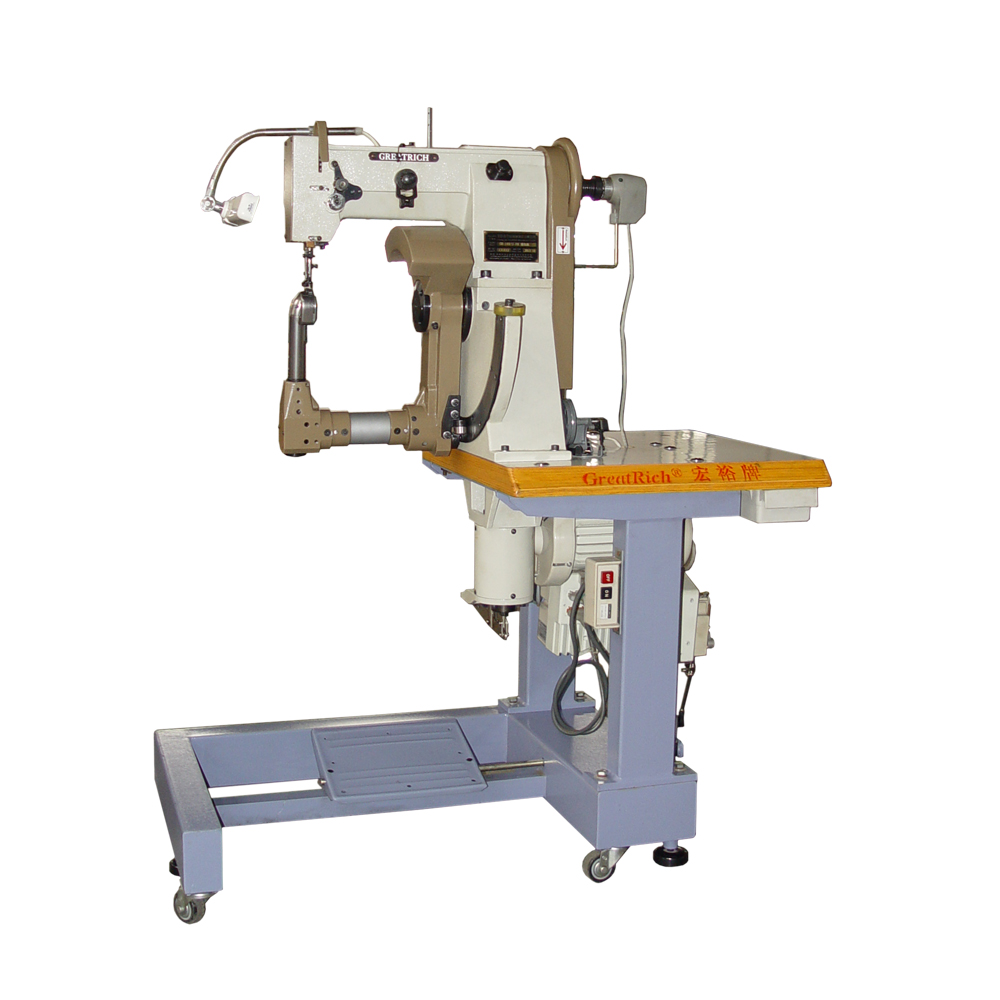
Sewing leather on a regular machine takes practice, patience, and some skill-building. To get better, start simple and gradually tackle more tricky parts like curves, corners, and finishing touches. Here’s how to sharpen your leather sewing skills step-by-step.
Begin by stitching straight lines on scrap leather pieces. This helps you get used to how leather feels under the needle and how your machine handles it. Try different stitch lengths and thread tensions to see what looks best.
● Sew parallel lines to practice consistent stitching.
● Experiment with different leather thicknesses.
● Use various presser feet like Teflon or roller foot to find what glides best.
These exercises build muscle memory and confidence. Remember, leather is less forgiving than fabric, so take your time.
Curves and corners are where many beginners struggle. Leather doesn’t stretch or fold like fabric, so you need special techniques:
● Use a smaller seam allowance on tight curves.
● Slow down your sewing speed to maintain control.
● Lift the presser foot and pivot the leather carefully at corners.
● Backstitch at the start and end of curves to secure stitches.
● For very tight corners, consider hand stitching for more precision.
Practicing these steps on scrap leather helps you avoid mistakes on your final project. It also teaches you how to keep stitches even and neat around tricky shapes.
Good finishing makes your leather project look polished and durable. After sewing, reinforce seams using leather glue or cement for extra strength.
Other finishing tips:
● Edge sealing: Use edge paint or burnishing tools to smooth and seal raw edges.
● Burnishing: Rub edges with a slicker or bone folder to create a shiny, smooth finish.
● Regularly replace needles to keep stitches clean and sharp.
● Clean your project with leather conditioner to keep it supple.
These finishing touches elevate your work from homemade to handcrafted.
Practice stitching on scrap leather regularly, focusing on curves and corners, to develop control and achieve professional-quality finishes on your leather projects.
Sewing leather on a regular machine is possible with adjustments like using leather needles, heavy-duty thread, and specialized presser feet. Start small with simple projects to build confidence and skills. Consider future advanced leather projects as experience grows. GreatRich offers tools and guidance for leather sewing, ensuring quality results and enhancing your crafting journey.
A: Yes, a regular sewing machine can be used for leather by making adjustments such as using leather needles and heavy-duty thread.
A: Use leather needles with a sharp, wedge-shaped point for a leather sewing machine to pierce tough material effectively.
A: Use a Teflon or roller foot on your leather sewing machine to reduce friction and ensure smooth feeding.
A: Heavy-duty thread is crucial for a leather sewing machine as it provides the strength needed to hold leather seams securely.