Views: 0 Author: Site Editor Publish Time: 2025-10-21 Origin: Site
In the world of footwear, the debate between handcrafted and machine-made shoes is a fascinating exploration of craftsmanship, efficiency, and personal preference. Handcrafted shoes embody the artistry and meticulous attention to detail of skilled artisans, resulting in unique, high-quality footwear tailored to individual needs. In contrast, machine-made shoes prioritize speed and consistency, allowing for mass production at accessible prices. This article delves into the distinct characteristics of each approach, examining the materials, construction techniques, and overall value they offer to consumers. Whether you seek comfort, durability, or affordability, understanding these differences can help you make an informed choice in your next shoe purchase.
Handcrafted shoes showcase true artisanship. Skilled shoemakers spend hours perfecting every element. They cut, stitch, and shape materials by hand, ensuring precision. Unlike machines, they adjust each step based on feel and experience. This hands-on approach results in shoes that fit better and last longer. Every stitch counts, placed carefully to enhance durability and style. The craftsmanship reflects a deep passion for quality, not just production speed.
Materials in handcrafted shoes are top-notch. Artisans select full-grain leather, suede, or exotic hides like alligator or ostrich. These materials offer durability and develop a unique look over time. The leather softens and gains character, making each pair distinct. Natural fibers and eco-friendly options often appear, promoting sustainability. The sole materials, such as leather or rubber, are chosen for comfort and wear resistance. This careful selection contributes to the shoe’s overall quality and longevity.
One major advantage of handcrafted shoes is personalization. Buyers can request custom sizes, widths, and styles to match their feet perfectly. Artisans may add unique patterns, colors, or engravings, making each pair truly one of a kind. This customization ensures comfort, especially for those with wide feet, high arches, or other special needs. It also allows expression of personal style, something mass-produced shoes rarely offer. The connection between maker and wearer adds emotional value beyond mere footwear.
For businesses investing in handcrafted shoes, emphasize customization options to attract customers seeking unique, comfortable footwear tailored to their needs.
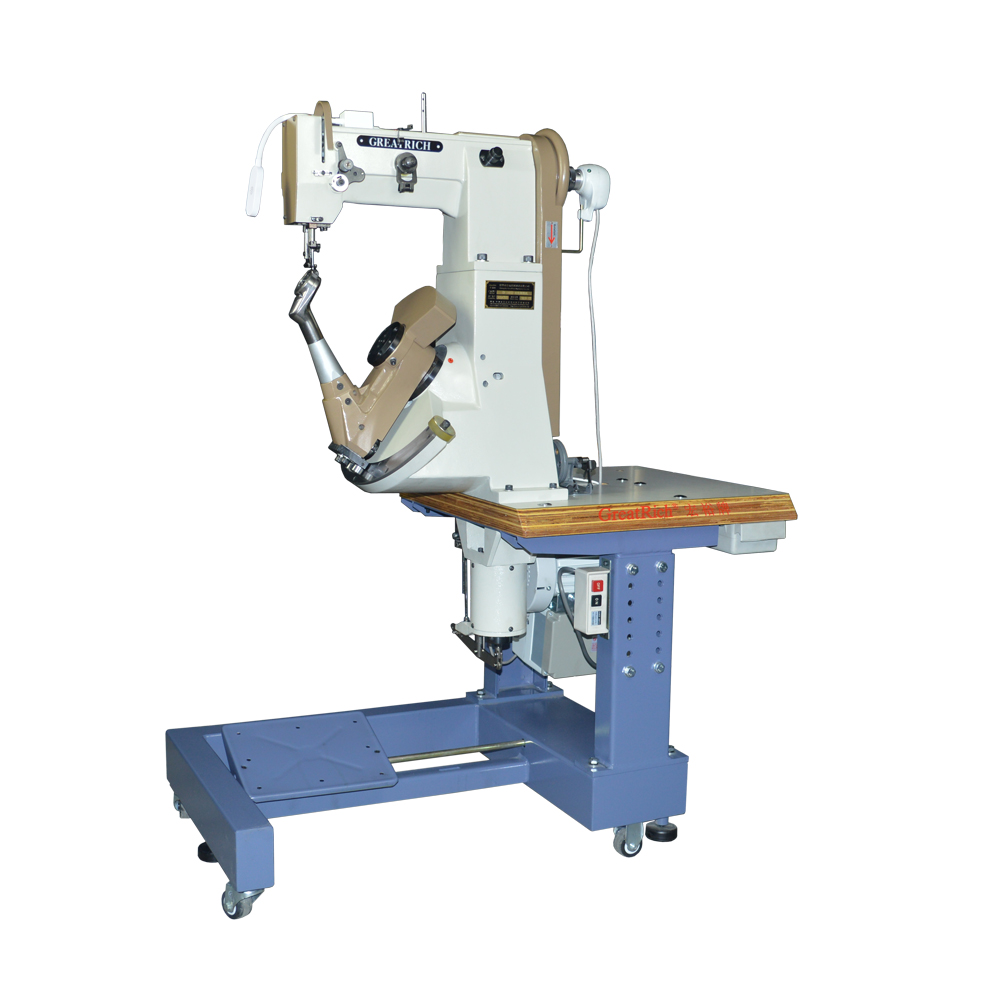
Shoe sewing machines revolutionized shoe manufacturing. These machines stitch shoe parts quickly and uniformly. They replaced much of the hand stitching done by artisans. This shift allowed factories to produce shoes in large volumes. The sewing machines handle tough materials like leather and synthetic fabrics with precision. They ensure each stitch is consistent, which is crucial for shoe strength and appearance. By automating stitching, manufacturers reduce labor costs and speed up production. This efficiency meets the demand of global markets hungry for affordable footwear.
Beyond sewing, machines automate many shoe-making steps. Cutting machines slice materials into exact shapes. Assembly lines bring together soles, uppers, and insoles seamlessly. Robotic arms position components and apply adhesives accurately. Heat presses and molds shape shoes to standard sizes. These processes minimize human error and maintain quality standards. Automation also allows for rapid design changes and scaling production up or down. The result is a streamlined workflow producing thousands of shoes daily. This capability supports fast fashion trends and mass retail needs worldwide.
Machine-made shoes offer several benefits, especially for consumers seeking affordability and availability. Key advantages include:
● Consistency: Each shoe in a batch looks and fits the same, reducing sizing issues.
● Speed: Large quantities can be produced quickly to meet market demands.
● Cost-Effectiveness: Lower labor and material costs translate to cheaper prices.
● Variety: Factories can produce diverse styles using the same machines.
● Accessibility: Mass production makes shoes available globally at various price points.
While they may lack the bespoke feel of handcrafted shoes, machine-made footwear serves millions effectively. They provide practical solutions for everyday wear, sports, and fashion trends without the wait or high expense.
Invest in advanced shoe sewing machines to boost production speed and maintain consistent quality, essential for meeting large-scale market demands efficiently.
Handcrafted shoes often use premium, natural materials. Full-grain leather tops the list. It’s durable, breathable, and ages beautifully. Over time, it softens and develops a unique patina, adding character. Other materials like suede and exotic hides—think alligator or ostrich—also appear in handcrafted designs. These materials offer texture, luxury, and longevity. Artisans choose soles carefully, often leather or high-quality rubber, balancing comfort and durability. They may also select eco-friendly, natural fibers to boost sustainability. This attention to material quality ensures handcrafted shoes not only look good but also last long.
Machine-made shoes generally rely on synthetic or lower-grade materials. Faux leather, synthetic fabrics, and cheaper leather grades reduce cost and speed production. These materials can mimic the appearance of natural leather but often lack its durability and breathability. For example, faux leather tends to crack and peel faster. Soles in machine-made shoes often use synthetic rubber or plastic, which may wear down quicker. While these materials enable mass production and affordability, they usually don’t offer the same comfort or lifespan as premium natural materials.
Material choice directly affects shoe durability and comfort. Handcrafted shoes, made from high-quality leather or exotic hides, tend to last longer. Their materials adapt to the wearer’s foot over time, providing a personalized fit and comfort. The soles and stitching methods used also contribute to durability, often allowing repairs like resoling. On the other hand, machine-made shoes, built from synthetic materials, may feel stiff initially and degrade faster. They often lack the breathability and flexibility natural materials provide, which can affect comfort during extended wear. However, synthetic materials can be lighter and water-resistant, offering some practical benefits.
For businesses, investing in premium materials for handcrafted shoes can justify higher prices and attract customers seeking durability and comfort unmatched by mass-produced footwear.
Handcrafted shoes often use traditional construction methods that enhance durability. Techniques like Goodyear welt and Blake stitching create strong bonds between the sole and upper. These methods allow for easy resoling, extending the shoe’s life. Artisans stitch carefully by hand, ensuring tight, even seams that resist wear. Each layer is assembled with precision, balancing flexibility and strength. This attention to detail results in footwear designed to endure daily use and occasional repairs, making them a long-term investment.
Machine-made shoes usually rely on faster, less robust construction methods. Adhesives often replace stitching to save time and cost. While efficient, glued soles tend to separate sooner under stress. Stitching done by machines may not be as tight or durable, leading to quicker wear. Materials used in mass production, such as synthetic leathers and cheaper rubbers, also affect longevity. These shoes may look good initially but often lack the structural integrity needed for long-term use. As a result, machine-made shoes typically wear out after a few seasons, especially under heavy use.
Investing in handcrafted shoes means choosing quality that pays off over time. Though the upfront cost is higher, the durability and repairability reduce replacement frequency. High-quality materials and superior construction mean these shoes age gracefully, often becoming more comfortable with wear. Proper care—like cleaning and resoling—can extend their lifespan for decades. Many consider handcrafted shoes heirlooms, passed down through generations. For those seeking footwear that combines style, comfort, and longevity, handcrafted shoes offer unmatched value.
For footwear businesses, promoting the repairability and long-term value of handcrafted shoes can attract customers looking for sustainable, durable options beyond fast fashion trends.
Handcrafted shoes excel in comfort thanks to their ergonomic design. Skilled artisans shape each shoe to follow the natural curves of the foot. They consider arch height, foot width, and pressure points, tailoring the fit precisely. This hands-on approach means the shoe supports the foot properly, reducing fatigue and discomfort. Over time, the materials in handcrafted shoes mold to the wearer’s foot, creating a personalized fit that improves with use. This level of ergonomic attention is difficult to match in mass-produced footwear.
Machine-made shoes rely on standardized sizing systems. Factories produce shoes in fixed sizes and widths aimed at fitting the average foot. While this method allows for efficient mass production, it often falls short for people with unique foot shapes. Standard sizes may cause issues like pinching, loose heels, or pressure points. Without customization, wearers must compromise comfort or seek aftermarket solutions like insoles. Still, standardized sizing ensures consistency, so customers know what to expect when buying from certain brands.
One major advantage of handcrafted shoes is their ability to accommodate unique foot shapes. Customers can request adjustments for wide feet, high arches, bunions, or other specific needs. Artisans can modify the last (the foot mold) and adjust stitching or padding to ensure a perfect fit. This customization reduces common foot problems and enhances comfort, especially for those who struggle with off-the-shelf shoes. Personalization options may also include different materials or sole types to suit lifestyle demands. This bespoke approach makes handcrafted shoes a preferred choice for comfort-focused buyers.
For footwear businesses, highlighting customization services can attract customers seeking superior comfort and fit, setting handcrafted shoes apart from mass-produced alternatives.
Handcrafted shoes demand a higher price due to several factors. Skilled artisans spend many hours creating each pair, using traditional methods requiring precision and care. The labor-intensive process means more time and expertise go into every stitch and cut. Materials used are often premium, such as full-grain leather or exotic hides, which cost more than synthetic alternatives. Additionally, customization options add value but increase production time and expenses. All these elements combine to make handcrafted shoes a premium product, reflecting their quality and uniqueness.
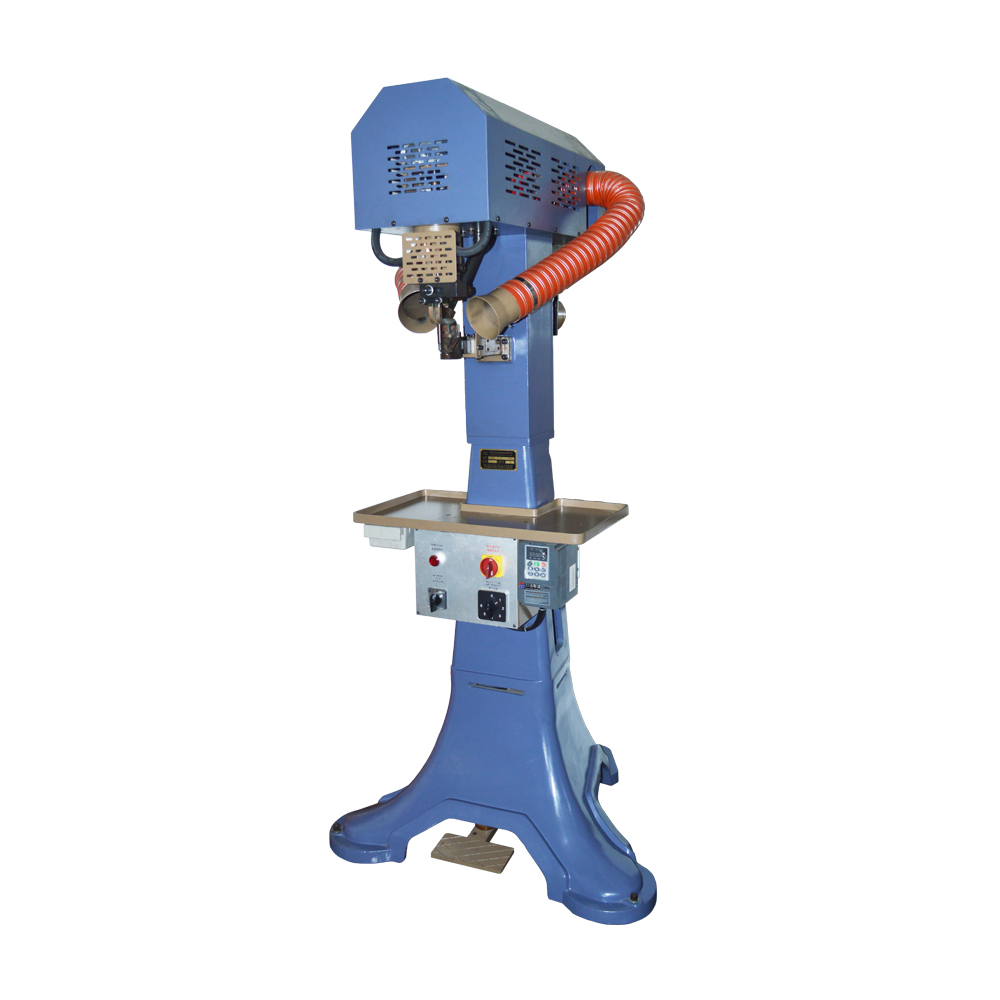
Machine-made shoes offer a more budget-friendly option for consumers. Factories use automated machines like shoe sewing machines to produce large volumes quickly, reducing labor costs. Materials tend to be synthetic or lower-grade leather, which lowers expenses further. Mass production spreads fixed costs over many pairs, making each shoe cheaper. This accessibility suits customers seeking trendy, affordable footwear without waiting for custom orders. Machine-made shoes fill the market for everyday wear, sports, or fashion trends, where price and availability matter most.
Choosing between handcrafted and machine-made shoes often comes down to balancing quality and budget. Handcrafted shoes provide durability, comfort, and personalization but require a higher initial investment. Machine-made shoes offer affordability and wide availability but may compromise on materials and longevity. Consumers should consider how often they wear the shoes, their comfort needs, and long-term value. For occasional use or fast fashion, machine-made shoes may suffice. For daily wear or special occasions, investing in handcrafted shoes can save money over time by lasting longer and fitting better.
For footwear businesses, offering tiered product lines combining handcrafted and machine-made options can appeal to diverse customers balancing quality and price.
When selecting footwear, consider factors like durability, comfort, and personalization. Handcrafted shoes offer superior quality and customization, while machine-made options provide affordability and consistency. Understand your personal preferences and needs, such as foot shape and intended use. Make an informed decision by balancing quality with budget. For those seeking premium, long-lasting footwear, GreatRich offers handcrafted shoes that deliver unmatched value and comfort, catering to diverse customer needs with a commitment to quality craftsmanship.
A: A shoe sewing machine is crucial in mass production, stitching shoe parts quickly and uniformly, ensuring consistency and reducing labor costs.
A: Handcrafted shoes focus on artisanship and customization, while shoes made with a shoe sewing machine prioritize efficiency and consistency.
A: Machine-made shoes utilize shoe sewing machines and synthetic materials, lowering production costs and making them more budget-friendly.